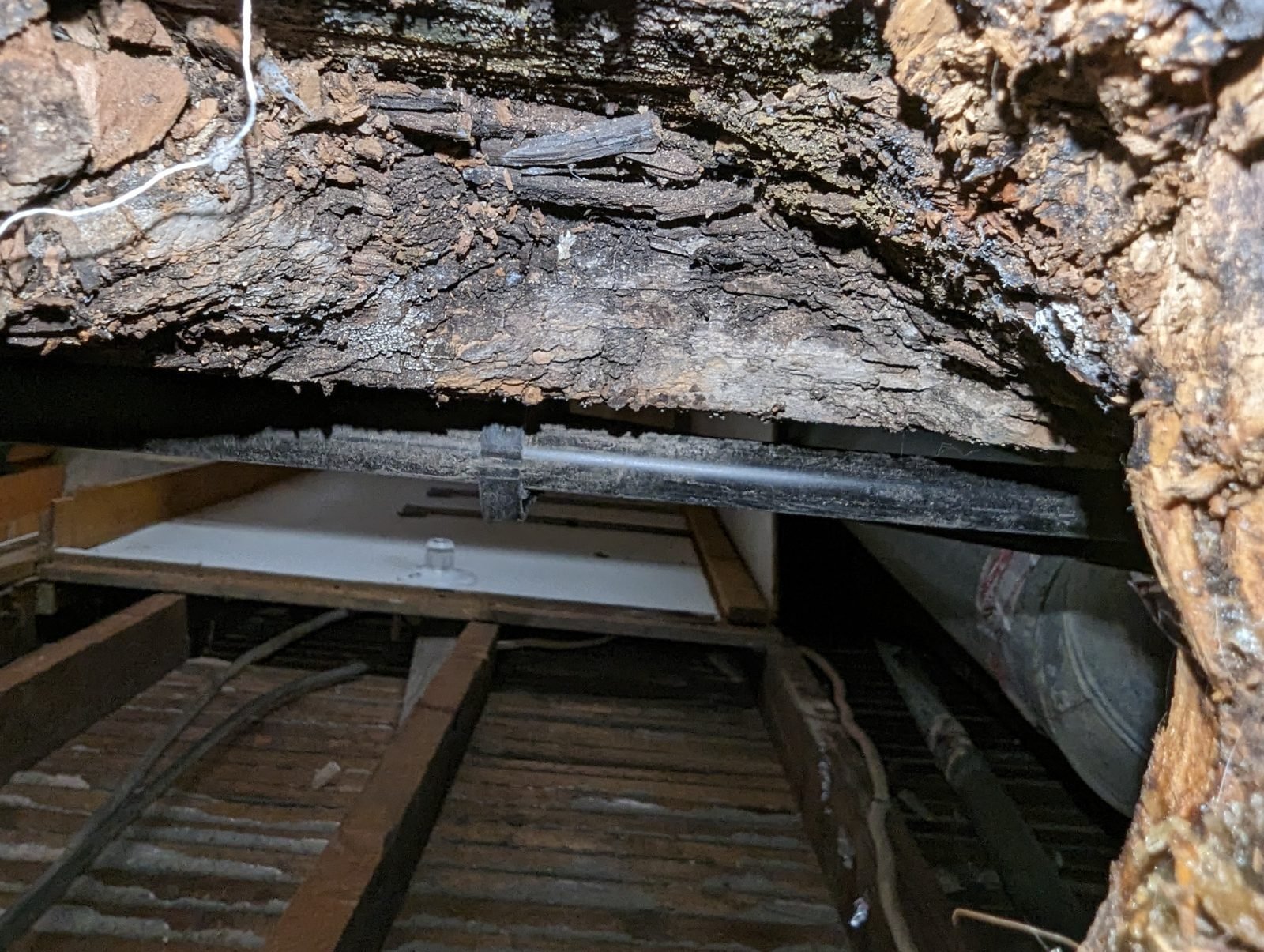
What is cavity structural drying?
Cavity structural drying addresses moisture in building materials and enclosed spaces after water damage. These spaces can include wall interiors, floor layers, and ceiling assemblies. The work may involve assessing material condition, providing suitable drying access, and evaluating remaining moisture. It goes beyond removing visible water from a room.
Structural refers to the building and its materials in this context. It does not mean every damp wall has structural failure, or that drying repairs weakened or damaged components. Material condition determines whether drying, removal, repair, or a combination is appropriate.
Why a dry-looking surface is only part of the picture
A finished wall can hide its back surface, framing, and insulation. A floor covering can conceal backing or a subfloor. Water may affect one layer differently from another, and room air does not reveal the moisture condition of every enclosed material.
That distinction matters after the puddles are gone. A stain shows where a visible change occurred; it is not a complete map of the remaining moisture. Assessment can consider the known leak path and materials around it, rather than assuming the visible patch defines the whole drying area.
What a drying assessment can involve
A drying approach depends on what became wet and whether it can remain in place. Three parts of the assessment help explain the next step.
Material condition and access
The assessment considers the assembly, visible damage, water involved, and access to the damp areas. Some intact materials affected by clean water may be dried in place. Others may need removal because of damage or because the affected layers cannot be addressed adequately as they are.
Air movement and moisture removal
Air movement and dehumidification have different roles in drying. Dehumidifiers remove moisture from the air; suitable air movement can support drying at wet surfaces. Their use depends on the conditions and water assessment, rather than a single equipment setup being suitable for every room.
Moisture in materials and in the air
Humidity readings describe moisture in the air. Moisture meters can help assess building materials and follow changes as they dry. These are related but different observations: a comfortable-feeling room or a lower humidity reading alone does not establish that concealed materials are dry.
Drying time depends on the building
There is no reliable one-size-fits-all number of days for a wall, floor, or ceiling. The extent of wetting, type and thickness of materials, enclosed layers, access, and indoor conditions can differ from one loss to another. Progress needs to be evaluated against the actual materials involved.
Drying also has a different endpoint from finishing a room. A damaged covering can remain damaged after moisture has been addressed. Likewise, applying a new finish does not prove that the layers behind it are ready. Repair planning should account for the remaining material condition.
Request drying for affected building materials
Share the Minneapolis location, where water entered, and the walls, floors, or ceilings involved. Access, material condition, and the extent of drying affect price. For an occupied home or managed building, identify rooms in use and the person arranging entry. See how to prepare an affected room before the visit. A written estimate should distinguish assessment, drying, any material removal, and later finish repairs.
Wall, Floor & Ceiling Drying questions
Does a wall that feels dry mean the work is complete?
Not by itself. The visible face is only one part of a wall assembly, and enclosed materials can have different moisture conditions. Assessment may need to consider those layers and the original water path. Touch and appearance alone cannot establish the condition of the whole assembly.
Will walls or flooring need to be opened?
Possibly, but there is no universal answer. Material condition, the water involved, enclosed layers, and available access affect the decision. Some materials may remain for drying; others may require removal. A property-specific assessment is needed before deciding what can be addressed without opening or replacing finishes.
How is drying progress evaluated?
Progress can be evaluated by checking the affected materials and the surrounding conditions over time. Moisture meters and humidity instruments measure different things, so one room-air reading does not tell the whole story. The approach should match the building materials and areas involved in the loss.
Is structural drying the same as repairing a ceiling or floor?
No. Drying addresses moisture in materials that can remain. Repair or replacement addresses damage to those materials or their finishes. Both may be needed after a leak, but they are separate tasks. A drying agreement should not be assumed to include rebuilding the affected area.